Understand that a strong emotion can be named before it is transformed.
Le Village prépare la prochaine escale…
 Le Buntu VillageRead, discuss, pass on
Help older children put words to resentment, broken trust, life’s highs and lows and the process of repair.
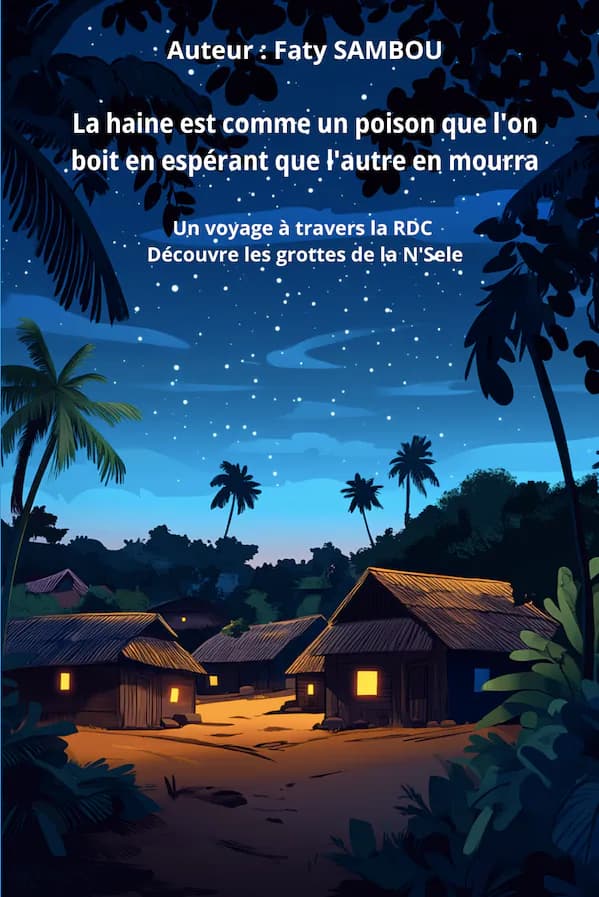
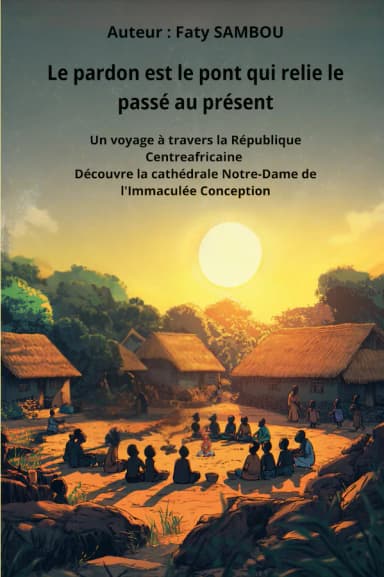
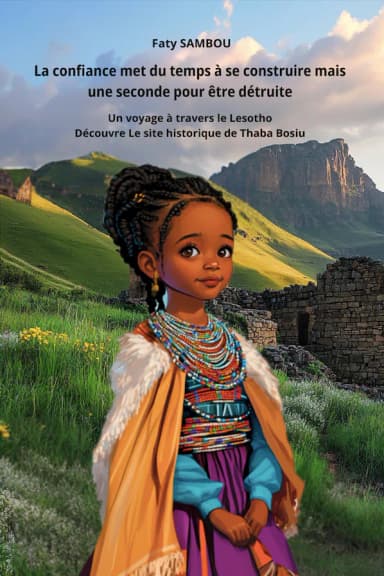
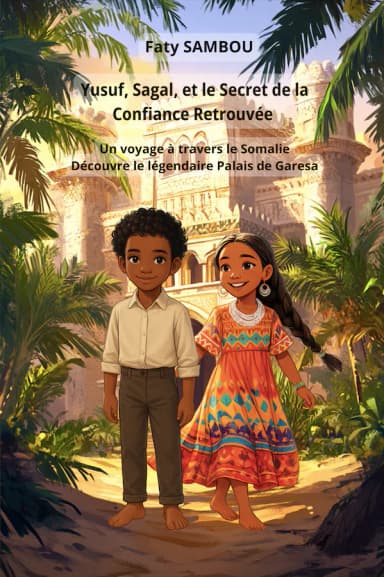
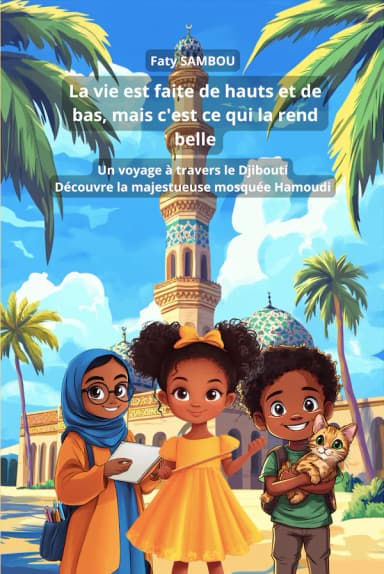
In the N’Sele caves, hatred appears as an inner chain. In Bangui, forgiveness creates a bridge towards the future. In Lesotho and then Somalia, two stories show how fragile trust can be and which actions may rebuild it. In Djibouti, life’s highs and lows finally find their place within a life that remains beautiful.
The journey follows credible stages of emotional repair: identifying anger, understanding the hurt, deciding what can be forgiven, setting boundaries and then observing actions over time. It avoids overly quick solutions and gives preteens, parents and mediators a shared vocabulary for speaking without escalating conflict.
The child's goal, translated into concrete progress.
Understand that a strong emotion can be named before it is transformed.
Connect forgiveness, caution and trust with concrete situations.
Provide a discussion resource for parents, teachers and mediators.
The suggested order turns the pack into a mini-journey: start from a simple situation, then open the conversation towards the central value.
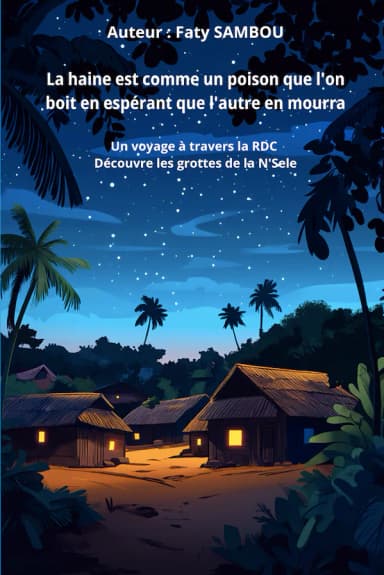
DR Congo – N'Sele Caves
In the N’Sele caves, Kibwe and Lumumba search for freedom within.
In the story, near Kinshasa, Kibwe and Lumumba explore the mysterious N’Sele caves with their aunt Nzola. Wise and loving, she helps them hear what the album's imagined motifs tell beyond words. A hurt and the anger it causes suddenly give the visit personal meaning. The children discover that hatred is like an invisible chain: while meant to reach someone else, it mainly holds the person carrying it. Guided towards understanding, forgiveness and the choice to love, they glimpse a freedom that begins with peace restored within.
Question after readingWhat can you do with anger so that it does not become a chain?
Central African Republic – la cathédrale Notre Dame de l'immaculée conception
In Bangui, a wise woman shows Akono and Ndélé how to cross beyond the past.
Akono and Ndélé grow up beneath the baobabs of the Central African Republic, sharing games, laughter and a close sibling bond. A family journey takes them to Bangui and the Cathedral of Our Lady of the Immaculate Conception. There they meet Madame Odile, a wise woman who describes forgiveness as a bridge between past and present. Her words become real when hurt enters their own lives. The siblings must choose between carrying resentment and beginning to repair. They learn that forgiveness does not erase the past, but makes a different future possible.
Question after readingWhat is the difference between forgiving and forgetting?
Lesotho – Historic site of Thaba Bosiu
At Thaba Bosiu, Naledi receives an inheritance both strong and fragile.
In Lesotho’s mountains stands Thaba Bosiu, a sacred place linked to the birth of a nation. Naledi grows up proud to descend from King Moshoeshoe I and aware of the responsibility carried by her family history. An adventure through the hills soon tests an important relationship. She discovers that trust resembles the mountains around her: built slowly layer by layer, yet weakened in an instant by careless action. Her heritage teaches her to keep her word, act responsibly and protect precious bonds.
Question after readingWhich habits build trust day after day?
Somalia – Garesa Palace
In the legendary palace of their adventure, a strong friendship can crack in a single moment.
In a coastal Somali village, Yusuf and Sagal share laughter, games and a trust that seems unshakable. The thoughtful boy and his lively friend decide to explore a legendary palace called Garesa, which the story reimagines near the cliffs of Merca. The adventure promises to be unforgettable, but one event suddenly weakens their bond. They learn that trust is like a sandcastle: built slowly, yet broken in an instant. To recover it, they must speak honestly, listen and care for their friendship.
Question after readingWhich actions can help rebuild damaged trust?
Djibouti – Hamoudi Mosque
A visit to Hamoudi Mosque changes how three children see life’s challenges.
Khadija and Asma love Djibouti’s golden dunes, beaches and shared adventures. One day, their school invites them to visit majestic Hamoudi Mosque. There they meet Ahmad, a curious boy whose journey takes them beyond simply discovering the monument. Together, the three children talk about happy moments, disappointments and unexpected change. They understand that highs and lows do not take away life’s beauty; they give it depth and teach us to rise again, appreciate joy and keep moving forward.
Question after readingWhat has a difficult time taught you to appreciate more?
Ask them after the journey without expecting one single correct answer.
Which word best describes what you feel underneath the anger?
What do you need in order to feel safe in the relationship again?
Which actions would show that a repair is genuine?
Each story can be read independently. The suggested order nevertheless creates a progression: begin with an accessible situation, deepen the reflection and then connect the stories with the pack’s central value.
It contains 5 printed books and therefore 5 complete stories. The covers and book pages shown above correspond to the titles included in the selection.
Recommended uses include pre-teen, mediation, emotional workshop. The discussion questions work for individual reading, families, classrooms and workshops.
Pre-teen · Mediation · Emotional workshop